
177 Essex Street
ARCHIVED | Sold by private treaty 11 Aug 2026 | $750,000
WEST FOOTSCRAY, VIC
A Californian bungalow with enough already working to justify a gradual renovation
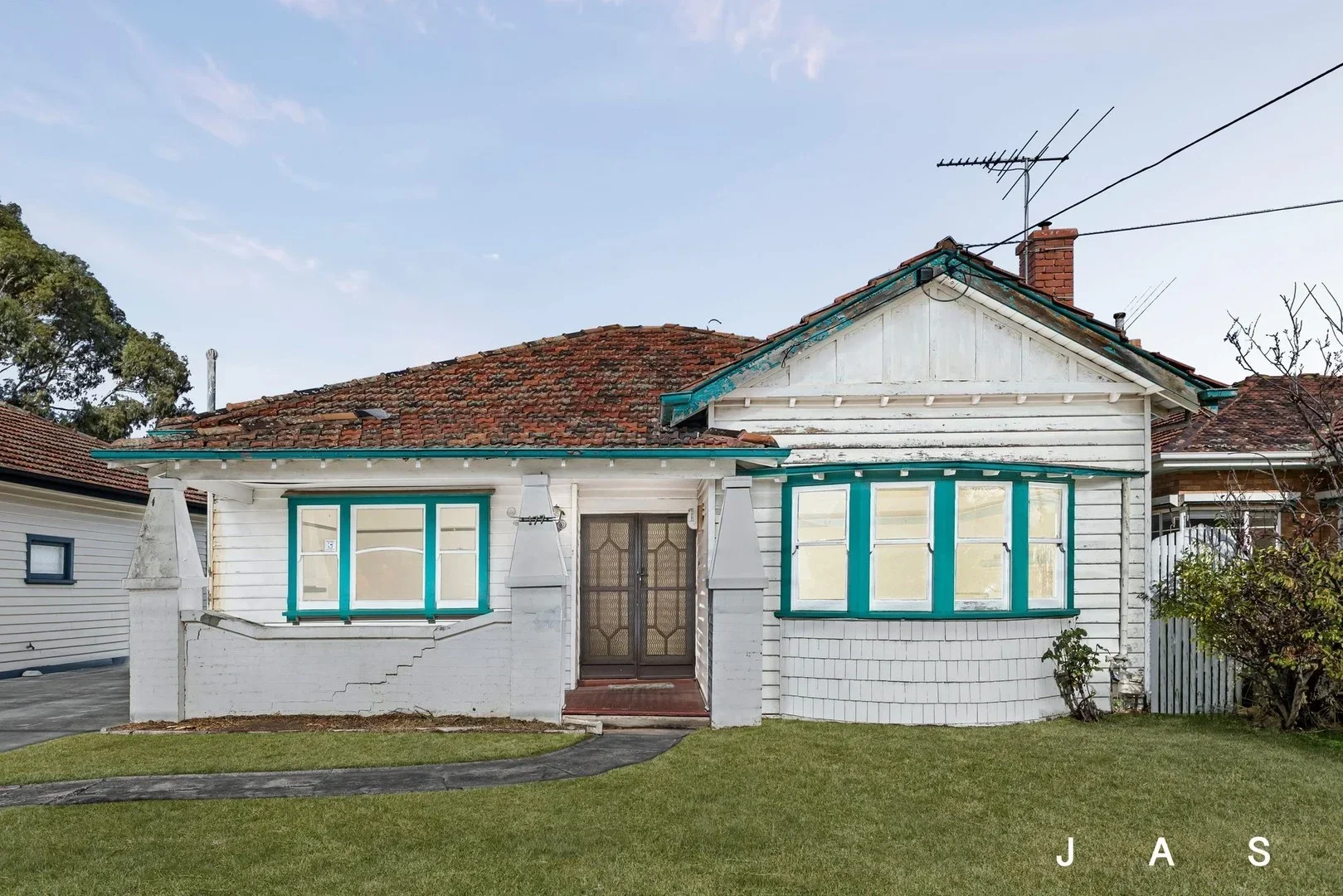
177 Essex Street is the kind of house RenoScouter looks for: dated enough that there is genuine scope to make it better, but with enough already working that renovation does not need to begin by reinventing the entire property.
The four-bedroom layout, surviving bungalow character and usable backyard give a buyer several ways to improve the house over time. The interesting question here is less about how much more can be squeezed onto the block and more about what is already worth keeping, what needs refreshing and how far the renovation really needs to go.
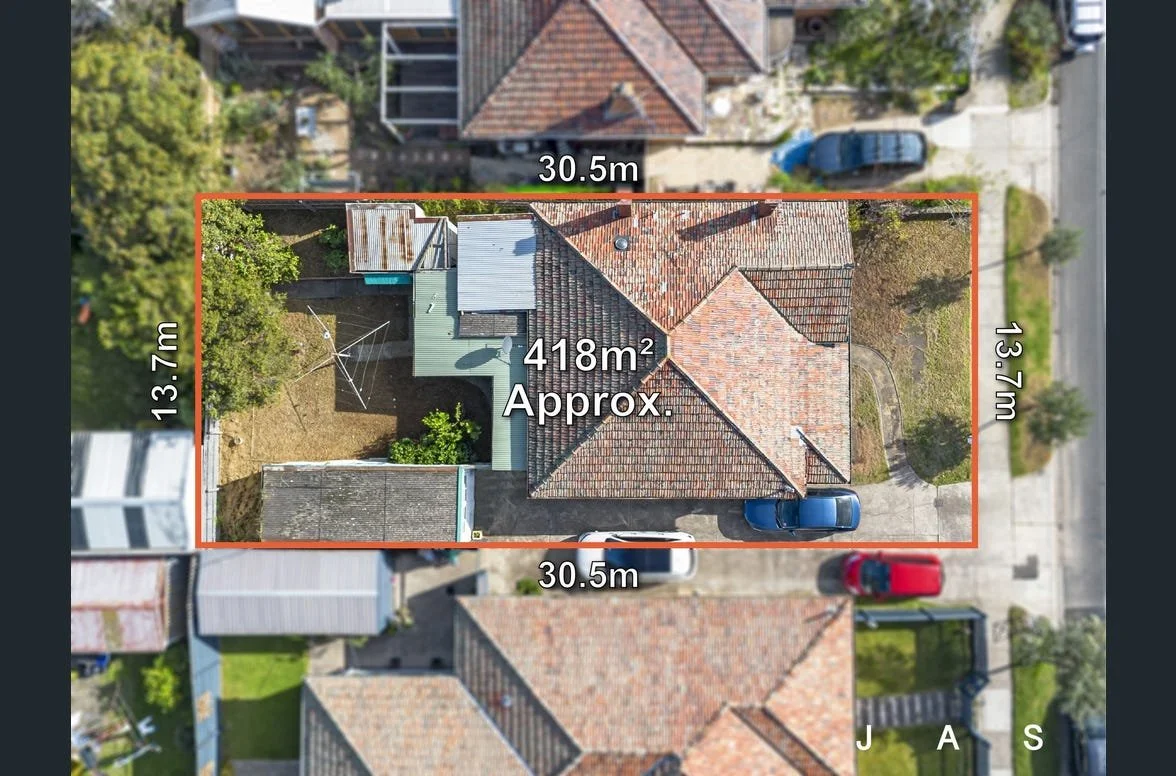
4 bed · 1 bath · 3 car · 418m²
Californian bungalow
Price guide: $750k–$790k
RenoScouter Snapshot
View original property listing →Why it made the cut
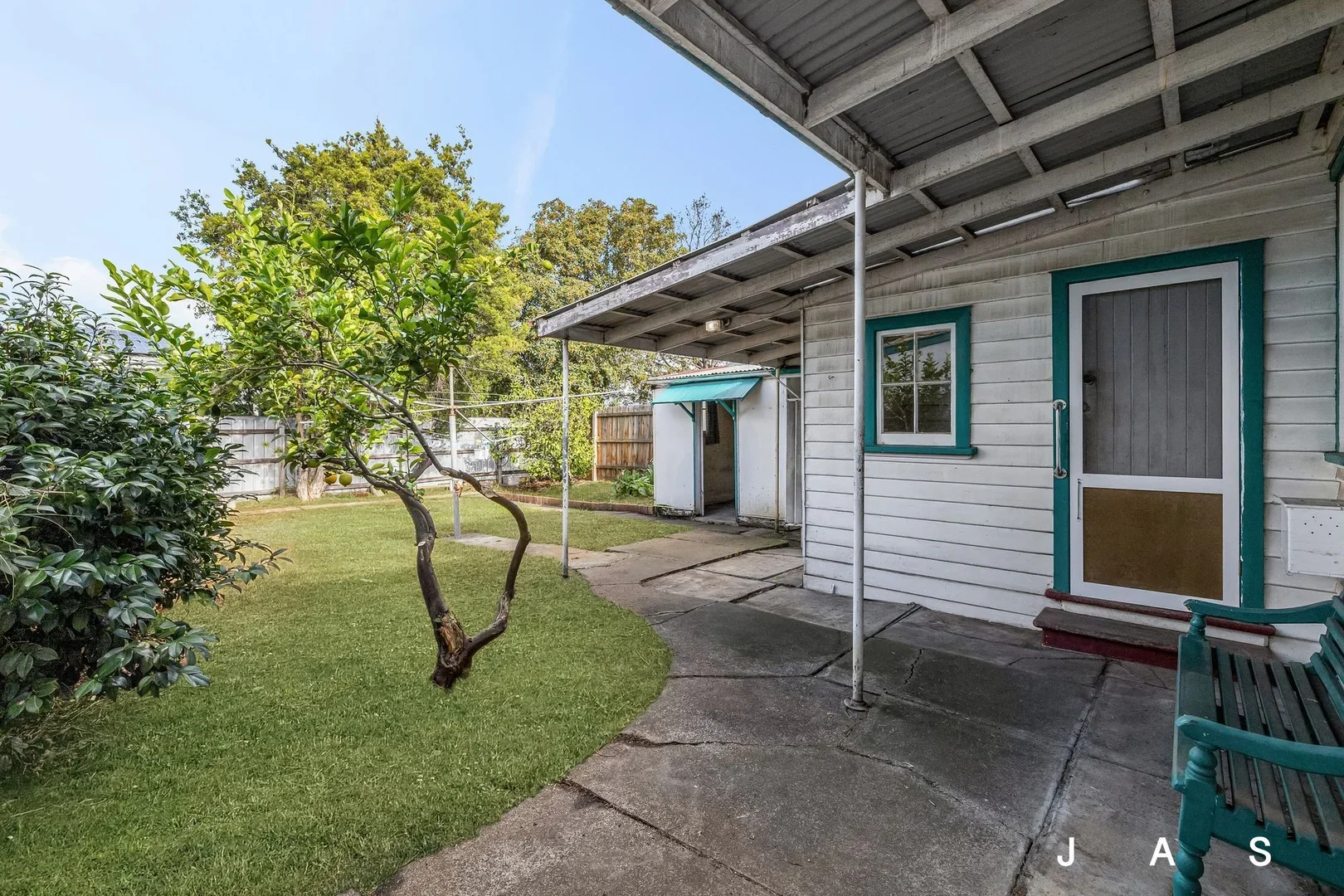
Four bedrooms, surviving bungalow character and a backyard with a covered patio and room to garden or play give this house more to work with than its dated presentation suggests. The renovation can improve an already functional home.
The opportunity
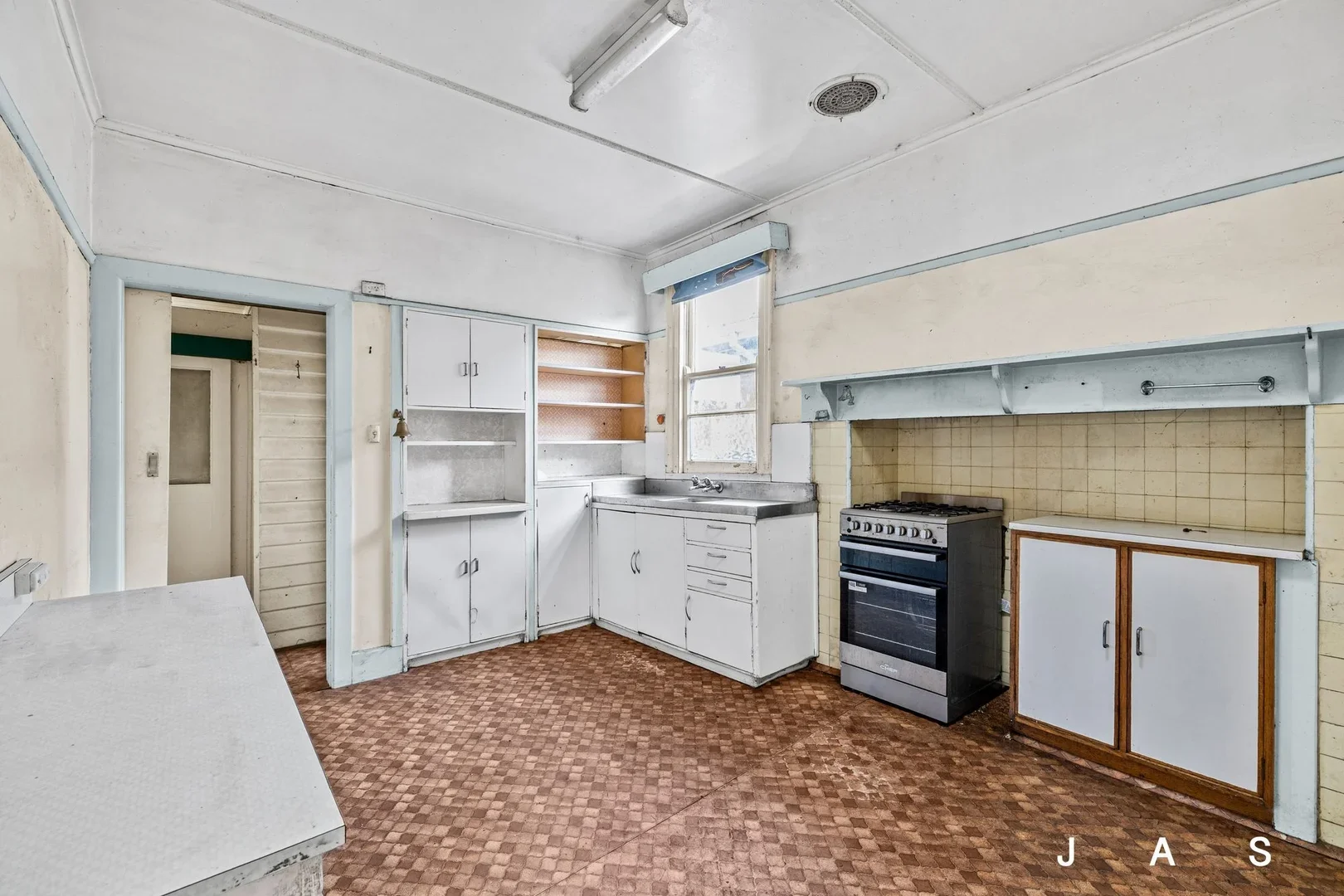
Keep the character, improve the kitchen and everyday liveability, and rethink how the garden and outdoor areas are used. There is enough house here to renovate gradually before deciding whether it needs to become larger.
The catch
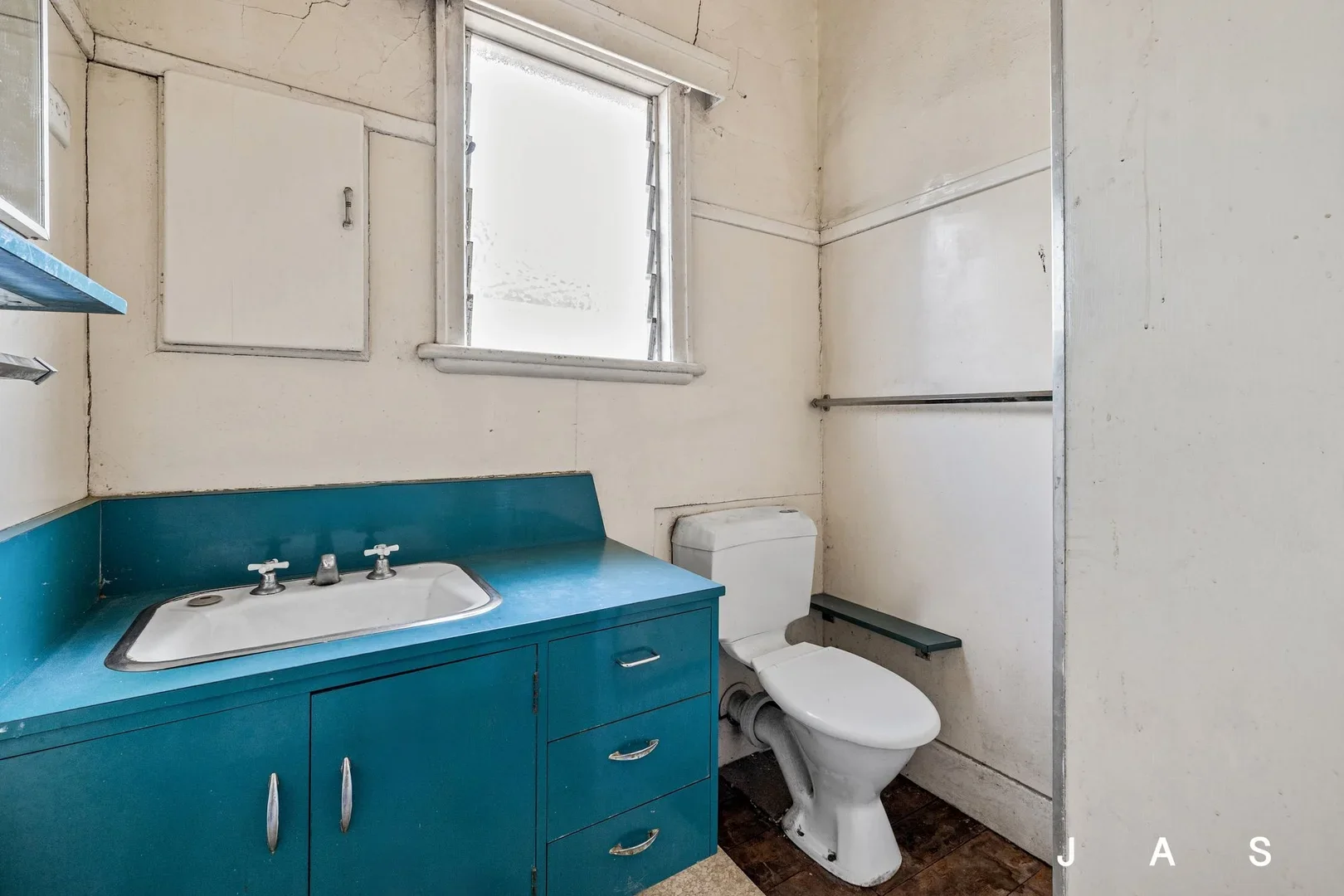
Original condition means the unseen work matters. Roof, chimney, timber floors, electrical wiring, plumbing and underlying building condition could quickly change the renovation budget.
Is it worth buying?
At a $750k–$790k price guide, the attraction is not simply that this is a four-bedroom house under $800k. It is the gap between the entry price here and what buyers were already paying nearby for houses offering more comfort or a more complete renovation.
Just before this house went to market:
149 Essex Street sold for $1.045m in May. It was another period home on the same street, with four bedrooms, two bathrooms and a larger 521m² block.
8 Indwe Street sold for $1.025m in May. It offered four bedrooms, two bathrooms and about 464m², with character already paired with a more comfortable family setup.
25 Tucker Street sold for $975k only days before this property came to market. It was a three-bedroom, one-bathroom home on a smaller 334m² block and ready to move into.
Renovation path 1:
preserve + refresh
For the simpler path: kitchen, flooring, paint, lighting, garden and general updating without substantially altering the floor plan, we would work with a rough renovation allowance of around $80k–$140k.
This path suits a larger family, someone who regularly needs a guest room, or a buyer who wants a dedicated office. Four bedrooms, a separate living room and the backyard and covered patio already give you plenty to work with.
Current Melbourne cost guides put a full kitchen broadly around $30k–$50k and a larger cosmetic renovation into the high five figures or low six figures once flooring, painting, lighting and multiple trades are involved. Older houses also deserve contingency for what may appear once work begins. Source: alconbuilding.com.au
At $750k–$790k, Victorian transfer duty is also roughly $40k–$42.5k before considering any individual eligibility or concessions.
That puts a very rough purchase + duty + renovation total at around $870k–$970k, before finance, conveyancing and any significant repairs uncovered during inspection.
This is the lower-cost route, but it is not a compromise if the existing layout already suits you. You could retain the bungalow character, keep all four bedrooms and improve the house gradually while staying around the price territory of more finished local homes.
Renovation path 2:
rework the floor plan
For a couple or family with one or two children, the small fourth bedroom may be more valuable as part of the living space than as another bedroom.
It sits directly beside the existing kitchen and meals area, so if the kitchen is being replaced anyway, this is where a more substantial renovation starts to become interesting. Opening some or all of that room into the kitchen could create space for a larger kitchen, more bench space and storage, a pantry, a more generous dining area and a better connection to the covered patio and backyard.
With three substantial bedrooms remaining, there is also scope to look at whether one of the larger bedrooms could gain better wardrobe storage or a compact ensuite. The result could be a stronger three-bedroom family home, with better everyday living space in exchange for the fourth bedroom.
This path requires a working allowance of around $120k–$200k+. Moving walls and wet areas can add structural work, plumbing, electrical, waterproofing, cabinetry and ventilation to the project. Source: alconbuilding.com.au
At that level, purchase + duty + renovation could total roughly $910k–$1.03m+.
That brings the total spend closer to what some more resolved homes nearby were already selling for, but still within the range the pocket appears to support. If the reworked layout gives your family a considerably better kitchen, dining area, main bedroom and connection to the backyard, the extra spend is improving how the house works without obviously pushing it beyond the local market. A buyer could still make these changes progressively while living in the house.
So, is it worth buying?
At $750k–$790k, we think yes. There is enough room between the purchase price and what more resolved homes nearby were selling for to support more than one renovation path.
For a larger family, or someone who genuinely wants four bedrooms, the preserve + refresh route keeps the project simpler and the total spend lower.
For a smaller household, spending more to rethink the fourth bedroom and rear of the house could create a much better three-bedroom home while still keeping the overall investment broadly within the territory of improved West Footscray houses.
The biggest variable is what the original condition reveals once the roof, chimney, timber floors, electrical wiring, plumbing and underlying building condition are properly checked.
There is a credible lower-cost route and a more transformative one. Both can be approached gradually depending on the household, budget and end result you want.
What needs checking?
The expensive unseen work
Roof and chimney. Confirm condition before assuming either is a straightforward repair or restoration.
Timber floors. Check what is actually under the carpet, how complete it is and whether it is worth restoring.
Electrical and plumbing. Establish whether the wiring, switchboard, plumbing and hot-water system are serviceable or due for major upgrades.
The renovation plan
Fourth bedroom. Confirm whether the walls can be altered easily and how plumbing, electrical and ventilation would affect a kitchen expansion.
Main bedroom. Test whether better wardrobe storage or a compact ensuite can be achieved within the existing room dimensions.
Garage and shed. Confirm their condition, access and dimensions before deciding whether to retain, repair or repurpose them.
The house itself
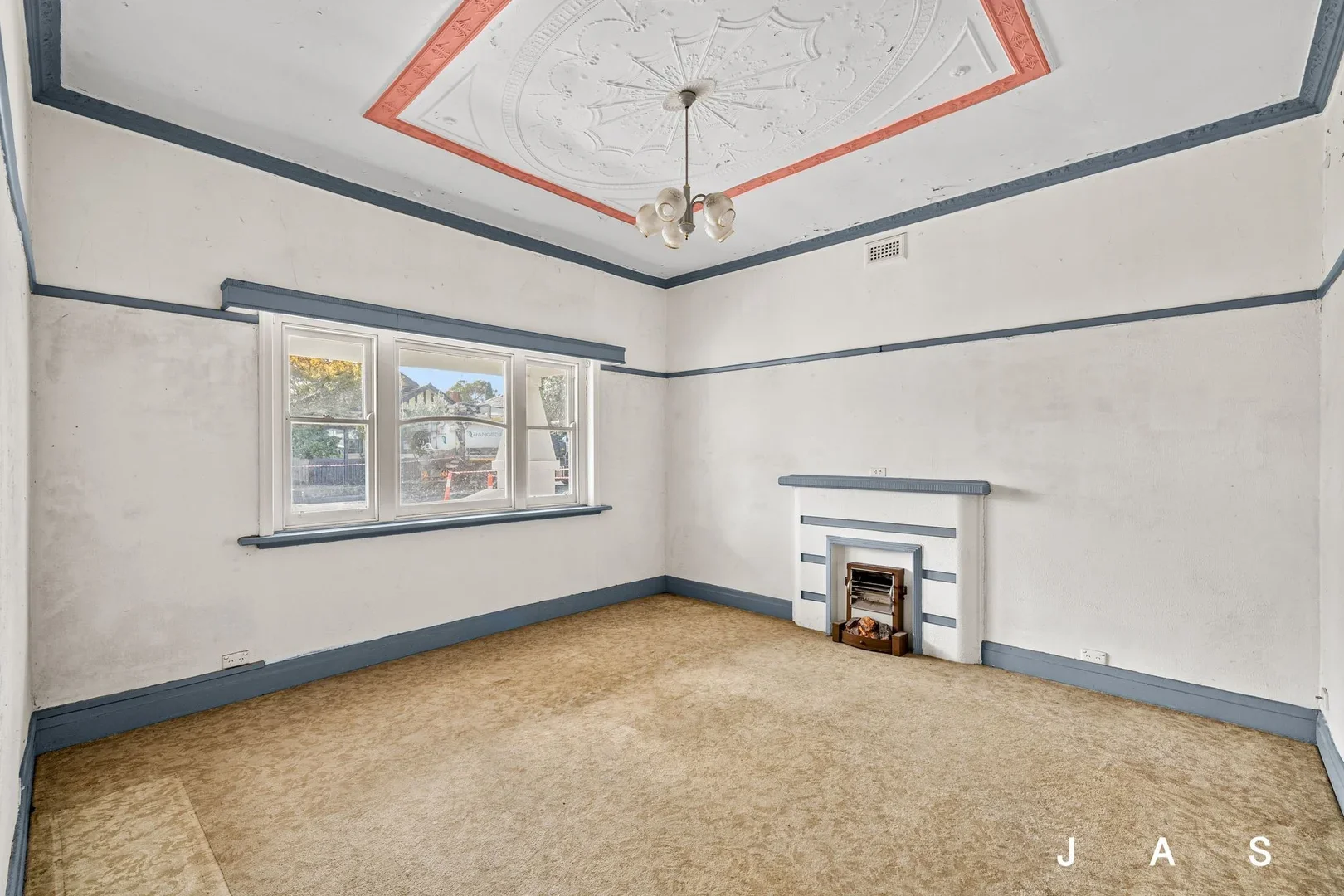
This is more than an old house with a bungalow label. The bay window, front porch and columns, fireplace, original hearth and surviving ceiling details give the house a clear architectural identity. The listing describes its heritage features as intact.
That fits the broader history of West Footscray. Maribyrnong’s heritage work identifies Californian Bungalows as an important part of the suburb’s interwar housing stock, typically built through the 1920s and 1930s with prominent roofs and gables, verandahs, timber windows and chimneys. Source: Maribyrnong City Council
For us, the renovation rule is simple: preserve the identity, not every old finish.
The bungalow features are worth working around. Carpet, lighting, kitchen finishes and other later or purely dated elements do not need the same protection. That leaves plenty of room to modernise the house without stripping out the details that make it worth renovating in the first place.
The property was marketed with no heritage overlay. That gives a buyer more flexibility, but it does not make the surviving character disposable. Maribyrnong has previously studied West Footscray’s interwar housing for potential heritage protection, although permanent precinct controls were ultimately abandoned.
West Footscray at a glance
The agent called this a “premium pocket”, but what does that actually mean? In plain terms, 177 Essex sits in a particularly convenient part of West Footscray, where a lot of everyday life is within walking distance.
Brother Nancy, a neighbourhood café for coffee and brunch, is on the same stretch of Essex Street. Barkly Village is one of West Footscray’s main local shopping and dining strips, often referred to as Melbourne’s “Little India”. Along Barkly Street you’ll find South Asian grocers and restaurants alongside bakeries, neighbourhood pubs, small shops and everyday services. Central West Shopping Centre is about a nine-minute walk for supermarkets and larger shops.
For an active household, Johnson Reserve is also on Essex Street, with a playground, sportsground, public tennis court and skate park. Dog lovers will be happy to know that further along the street is the fenced off-leash dog park, Martin Reserve.
Tottenham Station is within walking distance, putting the CBD around 20 minutes away by train. Footscray West Primary School is also close enough to walk to, adding to the practical family appeal of this pocket.
West Footscray itself has a relatively young population, with a median age of 35 at the 2021 Census. Its mix of established families, younger buyers and renters helps explain the demand for older detached houses that still offer bedrooms, gardens and room to improve. Source: ABS
The suburb is not uniform. Railway lines, arterial roads and industrial edges affect some pockets more than others, so the exact address matters. Here, the combination of cafés, parks, school, shopping and rail within walking distance gives 177 Essex Street a stronger position than the postcode alone suggests.
Resale and rental appeal
West Footscray has steady demand for houses. From August 2025 to August 2026, 129 houses sold with a median 26 days on market, while three-bedroom houses were renting around $650 a week and four-bedroom houses around $810 a week. Source: realestate.com.au
For 177 Essex Street, either renovation path still leaves a character house with a backyard in a well connected, family-oriented pocket. That keeps the future buyer and renter pool relatively broad. For a buyer renovating gradually, the location gives the property appeal before the work is finished, not just after it.
Related RenoScouter
If this house raised questions for you, keep going with:
Old House Red Flags Checklist
What to check before committing to an older home with renovation potential.
Buyer tools
Checklists, worksheets and guides for finding, judging and renovating a house with potential.
More houses with potential
See the latest properties selected and analysed by RenoScouter.
