
ARCHIVED | Sold by private treaty 11 August 2026 | $750,000
WEST FOOTSCRAY, VIC
A four-bedroom Californian bungalow to renovate at your own pace
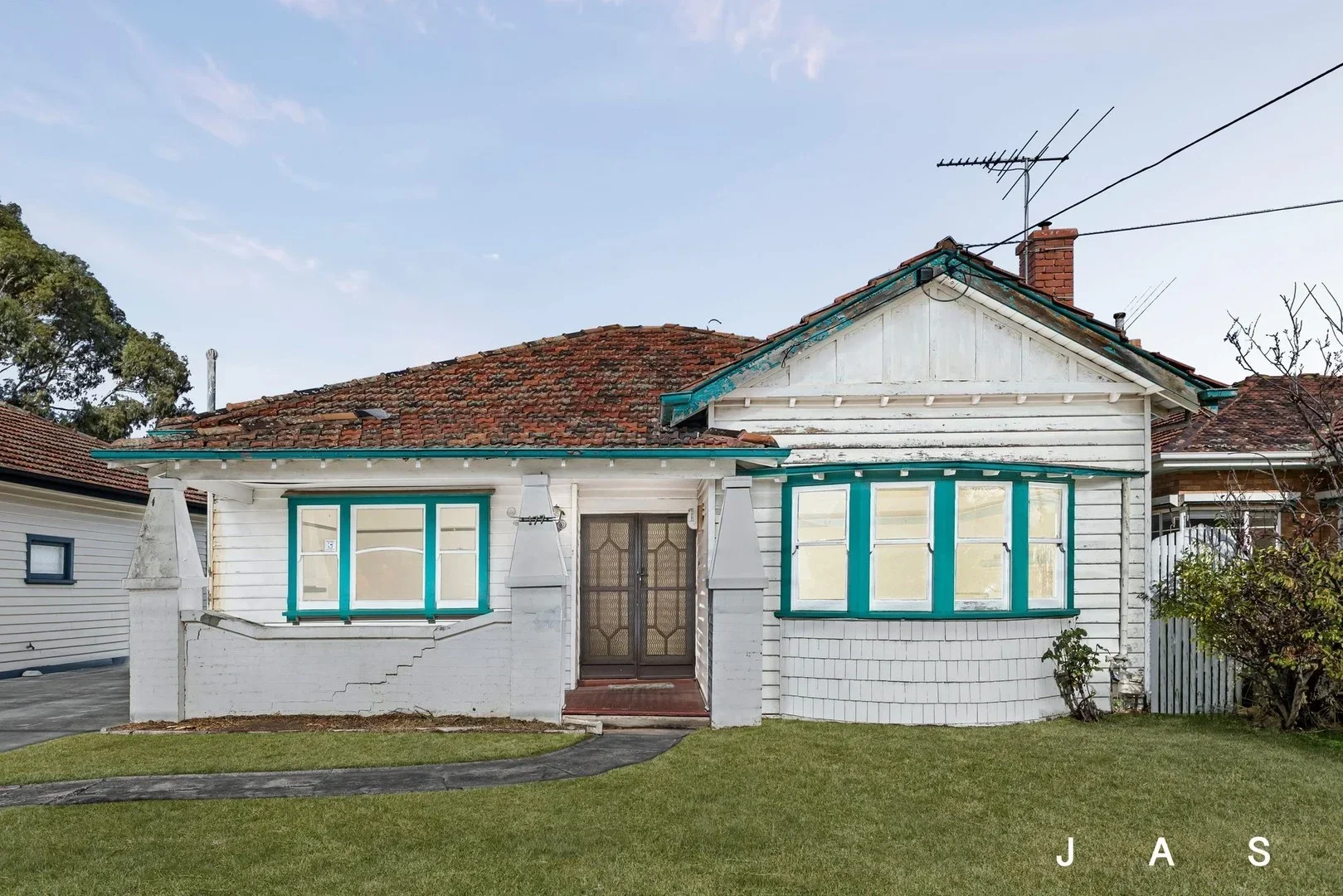
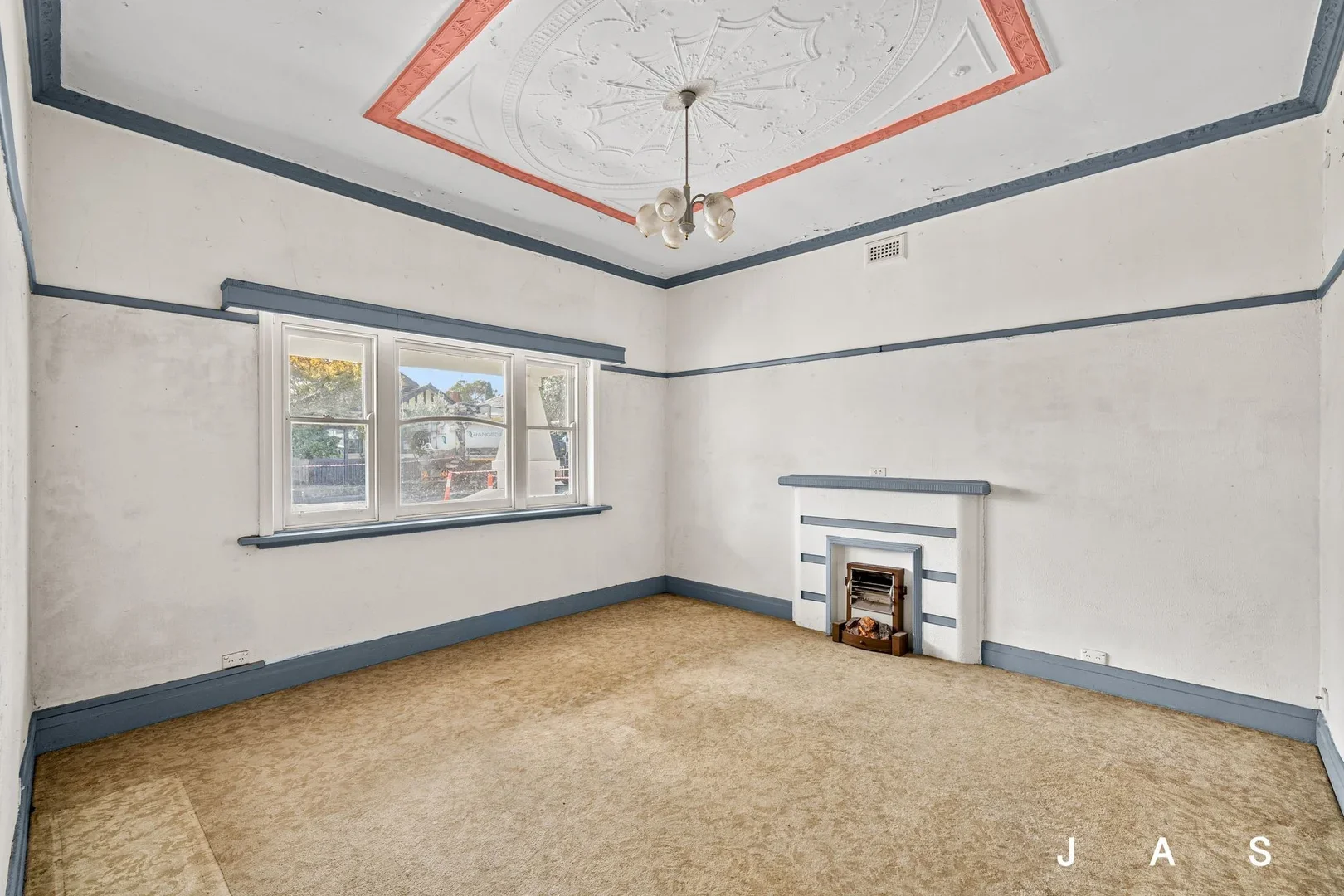
The bay window and porch columns give 177 Essex Street its Californian bungalow character before you even step inside. A fireplace and decorative ceilings continue the story, while four bedrooms, separate living spaces and a backyard give the house plenty of everyday practicality.
With cafés, parks, shops and Tottenham Station within walking distance, there's a lot to enjoy about this West Footscray location. The house has room for improvement, with the appeal of being able to settle in and make those changes gradually.
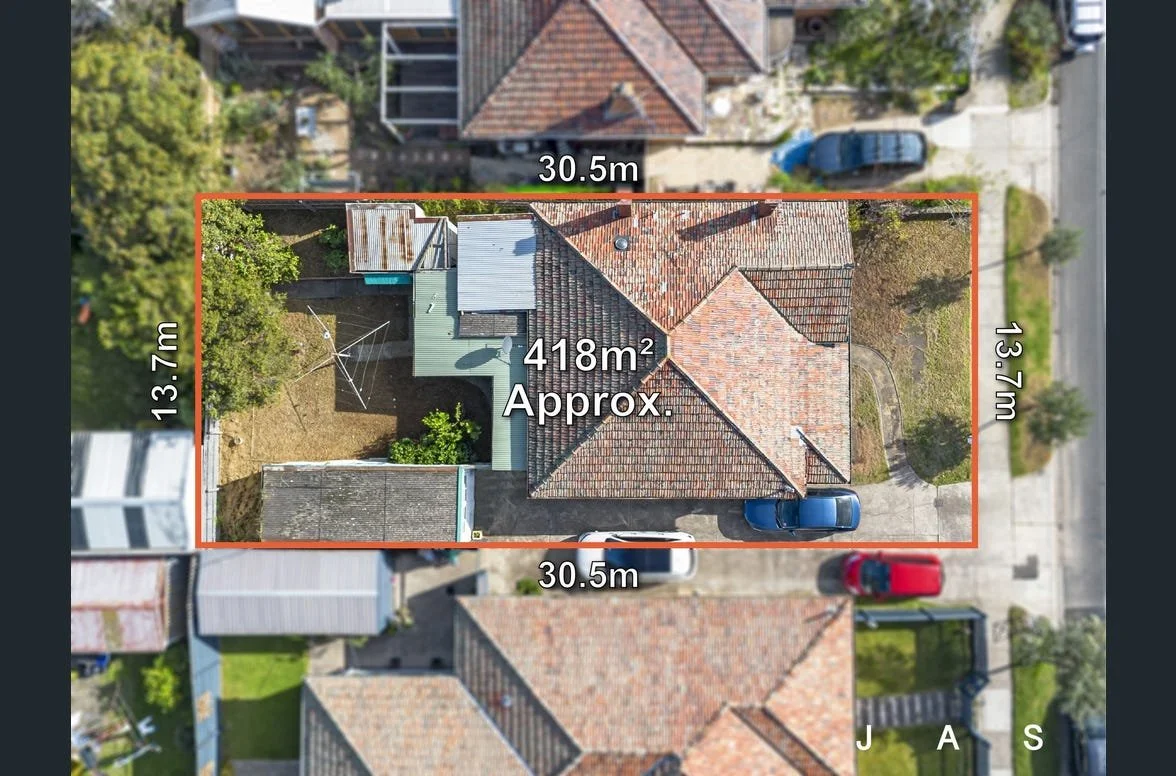
4 bed · 1 bath · 3 car · 418m²
Californian bungalow
Price guide: $750k–$790k
RenoScouter Snapshot
View original property listing →Why it made the cut
The family-sized layout and surviving bungalow details make this a good candidate for gradual renovation, with room to improve comfort while preserving its character.
The opportunity
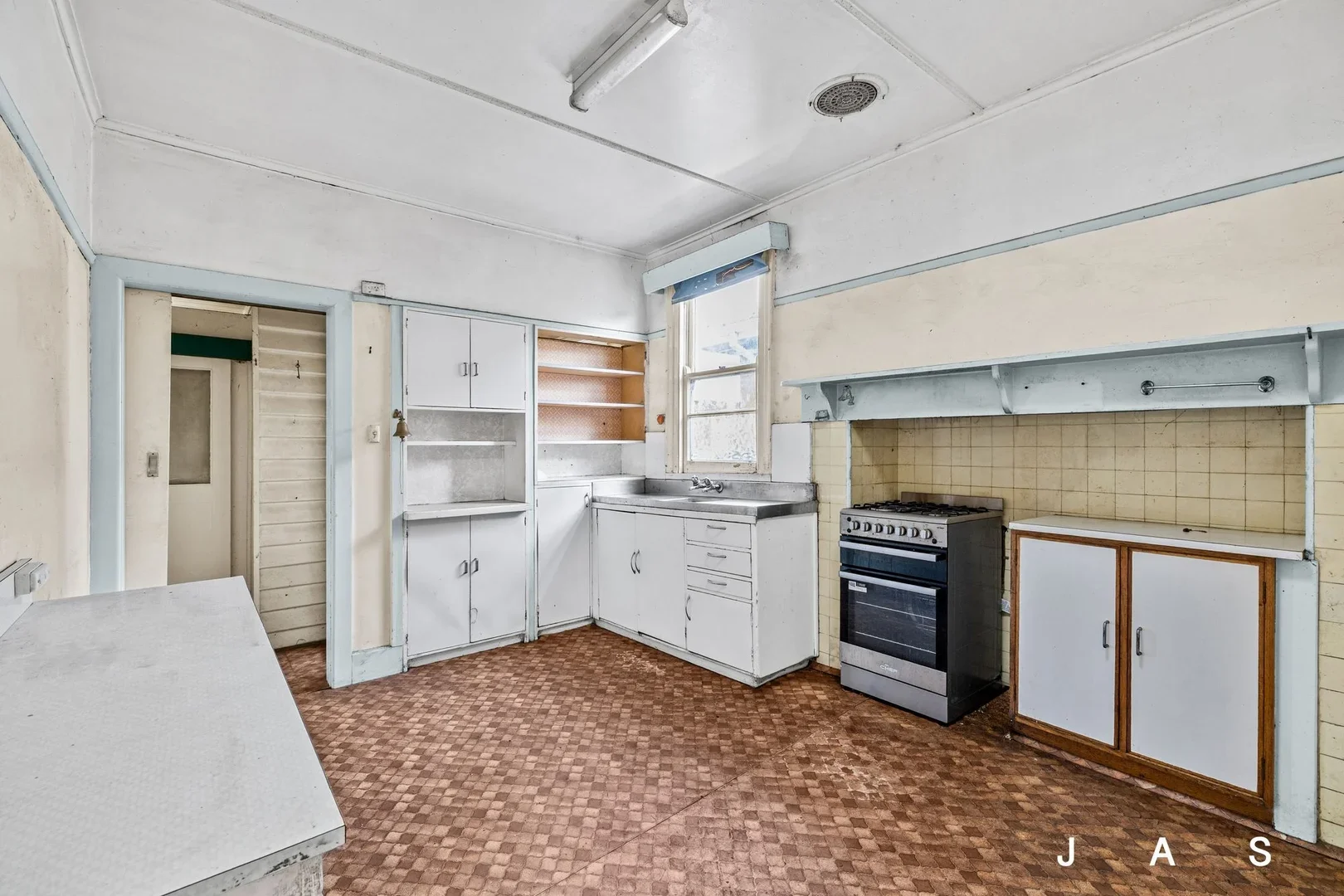
Refresh the kitchen and interiors, then rethink the rear rooms for better living space and a stronger connection to the garden, without necessarily extending the house.
The catch
The small fourth bedroom limits the space available for the kitchen and dining area. Reworking the layout means sacrificing a bedroom, while a more ambitious renovation could bring the total spend close to the price of more finished character homes nearby.
Is it worth buying?
At the $750k–$790k price guide, the attraction is the gap between the purchase price and what buyers were paying for more comfortable or renovated homes nearby. The question is how much of that difference remains after renovation.
Just before this house went to market:
149 Essex Street sold for $1.05m in May. A four-bedroom period home on the same street, with two bathrooms and a larger 521m² block.
8 Indwe Street sold for $1.03m in May. Four bedrooms, two bathrooms and approximately 464m², with period character and a more comfortable family layout.
25 Tucker Street sold for $975k in May. A move-in-ready three-bedroom, one-bathroom home on a smaller 334m² block.
Renovation path 1:
preserve + refresh
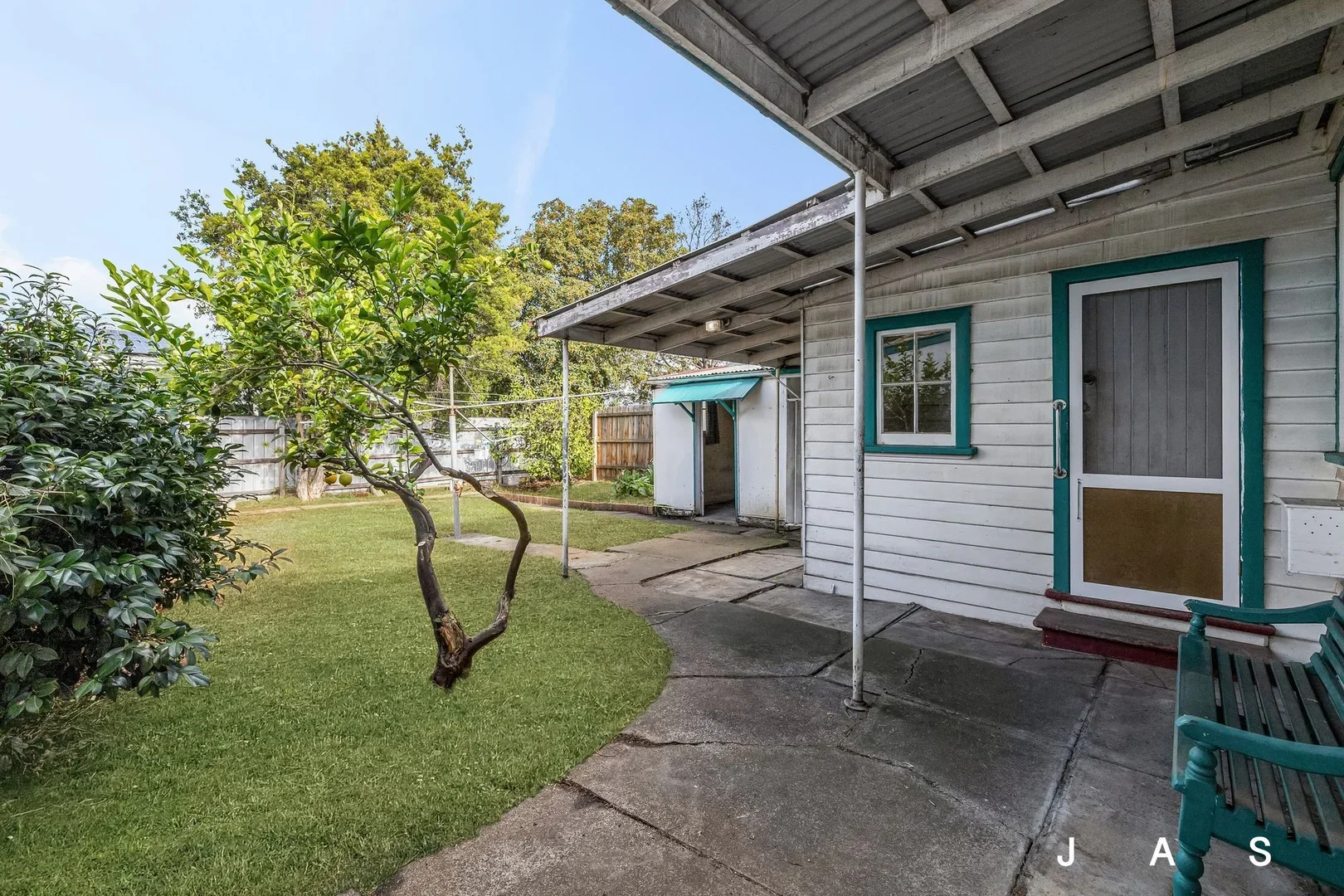
The four-bedroom layout already offers separate living spaces, with a covered patio and backyard. Keeping the existing rooms would allow the renovation to focus on the kitchen, flooring, lighting, paint and general updating.
The bay window, porch columns, fireplace and decorative ceilings give the bungalow its character. These are the features worth retaining while refreshing the interiors and garden.
The property has no heritage overlay, meaning it isn't subject to the additional heritage planning controls that can apply to older homes. That gives buyers more freedom to consider changes to the house, while its surviving Californian bungalow details remain part of the appeal.
Allow $80k–$140k for the renovation.
This path suits a family that wants to keep all four bedrooms, or someone who needs a guest room or dedicated home office, with improvements made gradually.
Renovation path 2:
rework the floor plan
The small fourth bedroom sits directly beside the kitchen and meals area. Opening some or all of that room could create space for a larger kitchen, more bench space and storage, a pantry or a more generous dining area opening towards the covered patio.
With three substantial bedrooms remaining, there's also scope to improve wardrobe storage or explore an ensuite for the main bedroom.
This would trade the fourth bedroom for more generous everyday living spaces, while retaining the bungalow's original character and backyard.
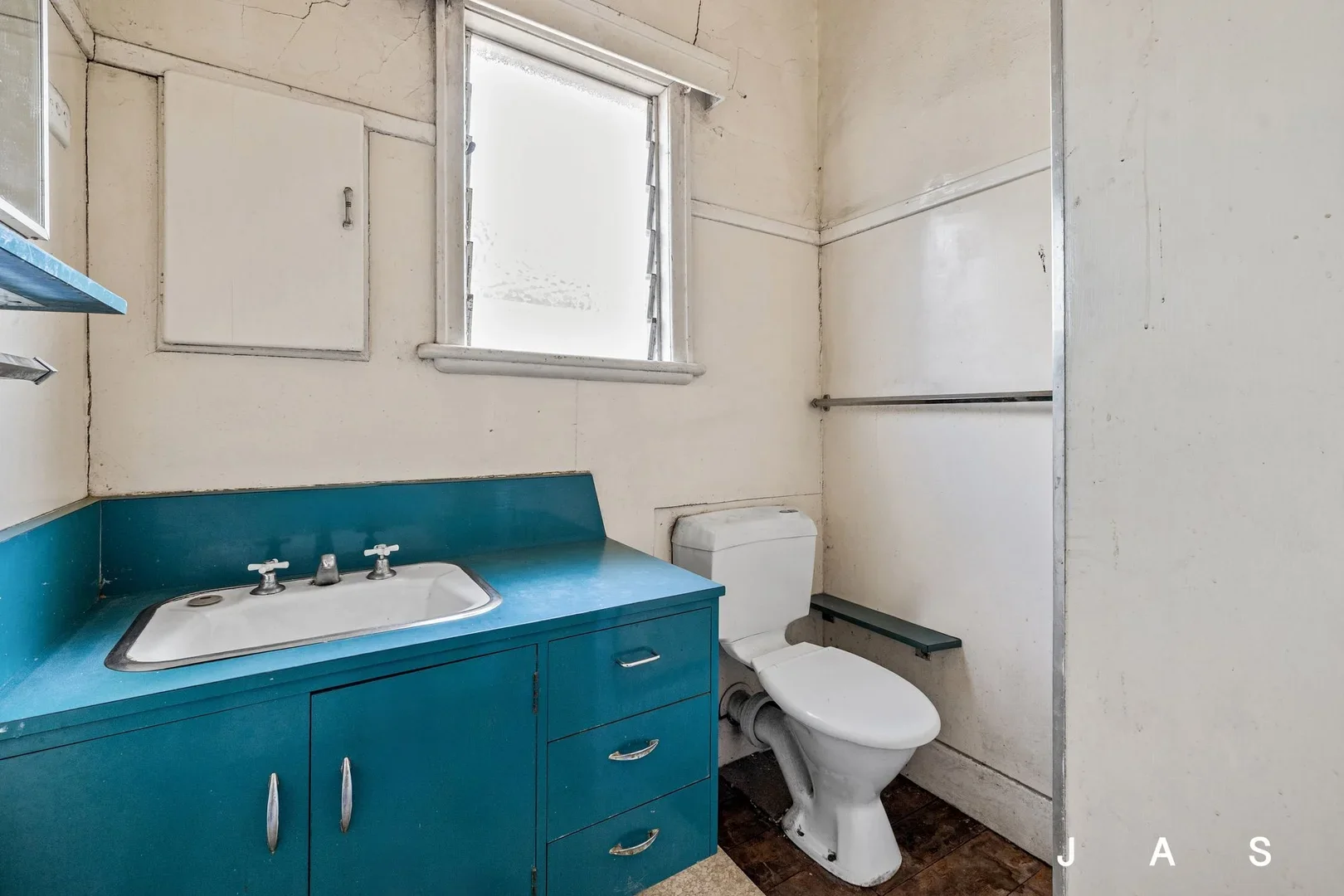
Allow $120k–$200k+ for the renovation, including changes to the layout, kitchen and wet areas.
This path suits a household that would get better use from a larger kitchen and dining area than from a small fourth bedroom.
What could each renovation path cost?
Midpoint: $770k · Transfer duty: approximately $41k
Indicative purchase, duty and project totals. All bars use the same scale.
So, is it worth buying?
At the $750k–$790k guide, we'd favour preserving and refreshing the existing house, with the option to rethink the fourth bedroom if a larger kitchen and dining area would better suit the household.
Using the $770k midpoint, the renovation totals sit around $891k–$951k for a refresh or $931k–$1.01m+ for a reworked layout. That puts the more ambitious option close to what buyers have paid for more finished character homes in West Footscray.
With four bedrooms, surviving Californian bungalow details and a backyard in a walkable location, 177 Essex Street is for a buyer who values those qualities and wants to make the house their own.
The house itself
The Californian bungalow became one of Australia's most recognisable suburban house styles during the 1920s and 1930s. Influenced by American architecture and the Arts and Crafts movement, it brought a different look to Australian streets: broad, low-pitched roofs, prominent gables, substantial porch columns, bay windows and a preference for materials such as timber, brick and terracotta rather than elaborate exterior ornamentation.
The style also reflected changes in how Australians wanted to live. Earlier Victorian houses often separated formal rooms for receiving visitors from the more practical spaces used by the household. Bungalows generally favoured simpler, less formal arrangements, with living and dining rooms sometimes more closely connected, representing the gradual shift towards houses organised around everyday family life.
Gardens and verandahs were already familiar features of Australian housing, but Californian bungalows gave them a particular place in the growing suburban ideal. The front porch offered a sheltered space to sit outdoors, while the detached house and its garden were increasingly associated with family recreation, privacy and room to enjoy life outside the city centre.
This history is especially relevant to West Footscray. Maribyrnong's heritage research identifies Californian bungalows as part of the area's interwar development, describing houses with prominent gabled roofs clad in tiles or corrugated iron, verandahs, timber-framed windows and brick chimneys.
At 177 Essex Street, the projecting bay window, porch columns, fireplace and decorative ceilings carry that architectural history.
Explore further
West Footscray at a glance
177 Essex Street has a location that suits families, dog owners and people who prefer having everyday amenities close to home. Brother Nancy café is almost across the road, while Johnson Reserve is along the same street, with a playground, skate park, tennis court and sportsground. Further along Essex Street is Martin Reserve, a fenced off-leash dog park.
Footscray West Primary School is within walking distance, making the school run easier for families and giving children opportunities to develop independence as they get older.
Nearby Barkly Village is known as Melbourne's Little India, with Indian restaurants, South Asian grocers, spice shops, bakeries and independent businesses. Its cultural identity extends into community celebrations, including Diwali festivities and the annual Holi Festival of Colours, which draws local crowds each year. The shopping strip also has neighbourhood pubs, cafés and a bookshop.
Central West Shopping Centre is about a nine-minute walk away, with Coles, Aldi and other retailers for everyday shopping. Tottenham Station is also within walking distance, with the train journey to Town Hall in Melbourne's CBD taking approximately 20 minutes.
Resale and rental appeal
Three-bedroom houses in West Footscray rent for a median of around $660 a week, compared with $770 for four-bedroom houses. For 177 Essex Street, reworking the smaller fourth bedroom into more generous living space wouldn't necessarily mean sacrificing rental value. A well designed three-bedroom home may appeal just as strongly to the right tenants.
Using the lower $660 weekly rent as a benchmark, the property could generate approximately $34,320 a year in gross rental income. Against the estimated total purchase and renovation costs, that represents an indicative gross yield of 3.4–3.9% before expenses.
Related RenoScouter
If this house raised questions for you, keep going with:
For this house
Use the Old House Red Flag Checklist to assess a Californian bungalow before buying.
Buyer tools
Practical checklists, worksheets and guides to help you make better property decisions.
More houses
Explore other Australian houses with renovation potential, selected and analysed by RenoScouter.
